My Mother's Blood Sugar Dropped to 41 While She Was Driving to the Pharmacy. She Was Found Three Towns Away With No Memory of Getting There.

The call came at 2:47 on a Thursday afternoon.
It was a woman named Denise, an assistant manager at a hardware store in a town I had to look up on a map. “Ma'am, I have a Ruth Whitfield here. Is she your mother? She has a card in her wallet with your number on it.”
“Yes — is she hurt? Where is she?”
“She's sitting in our break room. She's okay. The paramedics already checked her out. Ma'am … her blood sugar was 41 when they got here. She was in the parking lot for a while before anyone noticed. She keeps asking me what town this is.”
My mother had left her house at 11:20 that morning to pick up a prescription two miles away. Three and a half hours later she was forty-one miles from home, in a parking lot she had never been to, unable to say how she got there.
She had been driving. That is the part I still cannot sit with quietly.
The paramedics gave her glucose gel and she came back within about fifteen minutes — the way she always does. By the time I arrived she was herself again, embarrassed, apologizing to Denise, insisting she was fine and could drive home.
That night, after I drove her car back for her and sat with her at her kitchen table while she said over and over “I don't understand, I ate lunch, I took my insulin the way I always do” — I sat in her living room and asked myself the question I am still asking a year later:
What if the next low happens somewhere nobody walks past?

Most people who don't live with diabetes think of low blood sugar as shakiness and sweating — something you notice, something you fix with juice, something that passes.
That is a mild low. What happened to my mother was not that.
The brain runs almost entirely on glucose. When blood sugar falls far enough, the parts of the brain responsible for judgment, orientation, and decision-making are affected before the person is able to recognize that anything is wrong. Clinicians call the severe form neuroglycopenia. Families describe it in much simpler terms: she was there, and then she wasn't, and then she was back and didn't remember any of it.
The symptoms people report during a severe low read like a list of everything you would never want happening behind a steering wheel: confusion, slurred speech, difficulty concentrating, blurred vision, unusual behavior, an inability to follow familiar routes, and in the worst cases loss of consciousness or seizure.
And the risk climbs with age. Older adults are more likely to have other conditions and medications in the mix, more likely to be on insulin or sulfonylureas that can push glucose too low, and more likely to have what endocrinologists call hypoglycemia unawareness — the warning symptoms fade over years of living with the disease, so the first sign of a low is no longer sweating and shaking. It is confusion.
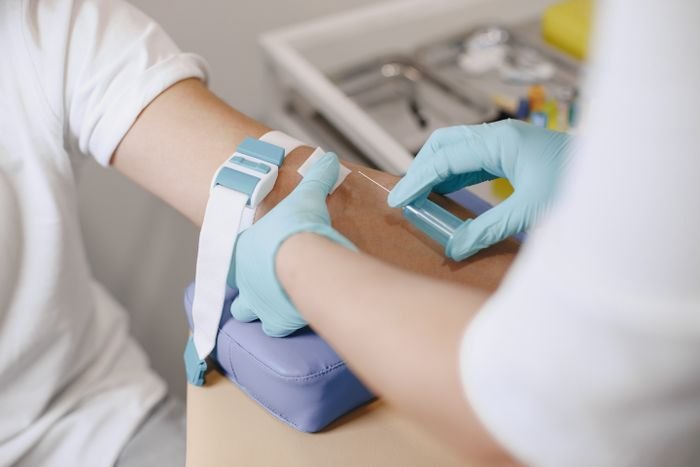
My mother has had type 2 diabetes for nineteen years. She has had hypoglycemia unawareness for at least four of them, and none of us understood what that actually meant until Denise called me from a hardware store.
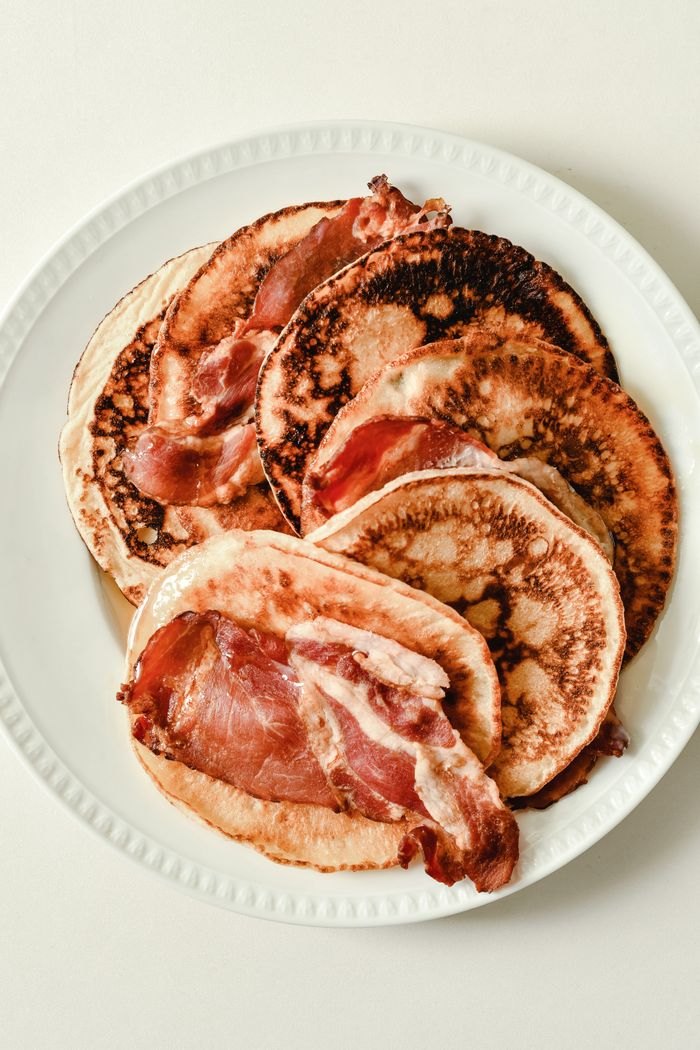
Diet is the first place every family goes, and it matters — steadier meals mean fewer dramatic swings. Her endocrinologist walked us through the foods that tend to release glucose slowly and the ones that spike and crash it, and we rebuilt her grocery list around that conversation. It genuinely helped. But I want to be honest about something before you read the next section: no grocery list prevents every low. It reduces how often they happen. It does not tell you where your mother is when one happens anyway.
🌱 Foods That Support Steadier Blood Sugar











⛔ Foods That Drive the Spike-and-Crash Cycle





My name is Dana. I'm 51. My mother is Ruth, she is 74, and she has lived alone in the same house outside Harrisburg since my father died in 2016.
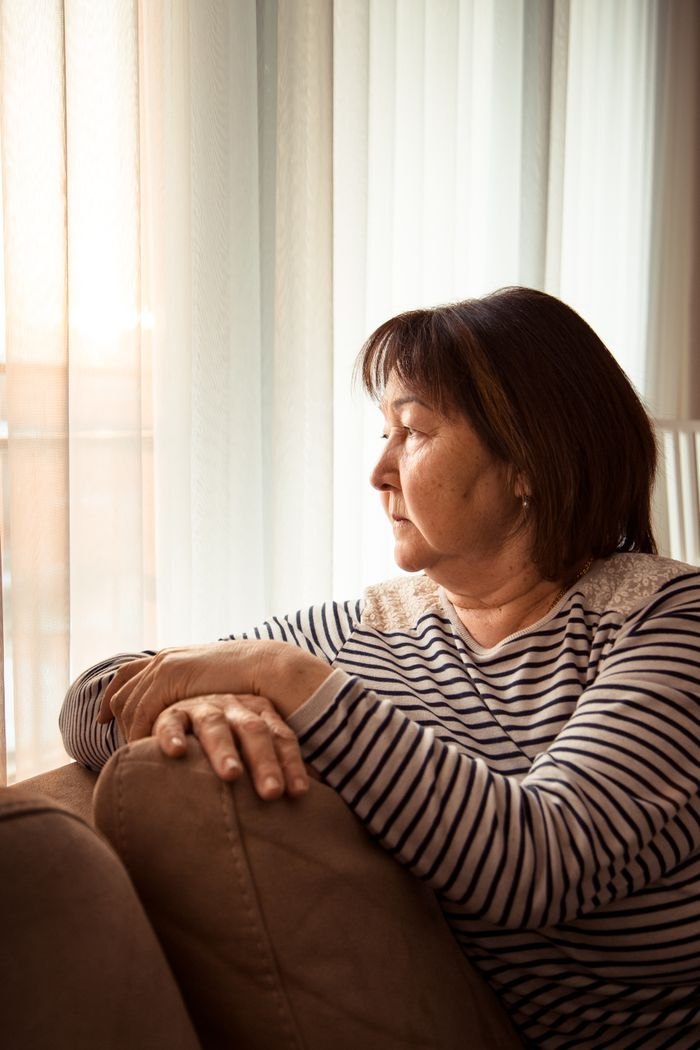
She does not want assisted living. She does not want to move in with us — we tried it for two months and it was miserable for everyone. She still drives, still keeps a vegetable garden, still runs the coffee hour at her church on the first Sunday of the month.
“Dana, I have managed this disease for nineteen years. I am not going to be treated like a child over one bad afternoon.”
And the hardest thing about that sentence is that she is basically right. She has managed it. She checks. She logs. She knows her numbers better than I know mine.
But the hardware store was not the first low. It was only the first one that ended forty-one miles away.
The Number Her Endocrinologist Made Me Write Down
At her next appointment I asked the question I had been carrying for two weeks: how often does this actually happen to people?
Her endocrinologist did not soften it. Severe hypoglycemia — the kind where the person needs someone else's help to recover — is a leading cause of emergency department visits among older adults. In published U.S. surveillance research on adverse drug events, insulin and oral glucose-lowering medications are consistently among the drugs most often implicated in emergency visits for adults aged 65 and older, with hypoglycemia and resulting confusion or loss of consciousness the most common reason.
Sources: Centers for Disease Control and Prevention, Adverse Drug Events in Adults; Geller AI et al., “National Estimates of Insulin-Related Hypoglycemia and Errors,” JAMA Internal Medicine. Figures vary by year and methodology — please consult the primary sources rather than relying on this page.
Then she said the part that changed how I thought about all of it:
“Dana, the danger usually isn't the glucose number. We can fix a number in ten minutes. The danger is where she is and who is with her when it happens.”
A low at her kitchen table is an inconvenience. She eats her tablets, sits down, waits it out. The same low in a parking lot forty miles from home, in a car, with nobody who knows her — that is a completely different event with completely different outcomes.
My mother got home from that hardware store because Denise happened to walk out for a smoke break and noticed a woman sitting in a parked car with the engine off. Because Denise called 911 instead of assuming she was fine. Because the laminated card in her wallet still had my current phone number on it.
A coincidence is not a safety plan.
I Tried Five Things. Four of Them Failed for the Same Reason.
First, the check-in calls.
I called every morning at nine and every evening at seven. My brother took the weekends. We were organized about it.
The hardware store happened at 12:30 in the afternoon, right in the middle of that window. I found out at 2:47 because a stranger called me. Check-in calls are not a monitoring system — they are a guilt-management system. They make the adult child feel better. They do not make the parent safer.
Then, the continuous glucose monitor.
This one I want to be careful about, because the CGM is genuinely the most important thing she wears. Her sensor alerts her — and now alerts my phone too — when she is dropping. It has caught lows before they became severe more times than I can count. If your parent has diabetes and is not on one, that is the first conversation to have with their doctor, not this article.
But here is what I learned the hard way, at 2:47 on a Thursday: a CGM tells you the number. It does not tell you the address.
My phone can buzz with “URGENT LOW — 47” and I still have no idea whether she is in her kitchen, in her car, or in a parking lot in a town I have never heard of. I cannot talk to her through it. I cannot see where to send help. I get the alarm and then I get to sit there with it.
Then, Find My iPhone.
I bought her a smartphone and set up location sharing. It worked beautifully until the third time she left the phone on the kitchen counter. “It's too heavy in my purse, Dana.”
A phone-based tracker only works if the person carries the phone. That is a hard requirement for someone who may already be too confused to think about a phone.
Then, the smartwatch.
Eighteen-hour battery, so it had to be charged every night, and she forgot. Screen too small for her to read without her glasses. And critically: it had no way for me to reach her. She had to call me. During a severe low, expecting a confused person to correctly operate a touchscreen is not a plan.
Then, the medical alert pendant.
Forty-nine dollars a month on a two-year contract. She wore it nine days.
“I am not wearing a panic button around my neck at church, Dana. I have diabetes. I'm not dying.”
Every one of those four failures came down to the same design flaw: they all require the person having the emergency to be capable of acting during the emergency. Press this. Carry that. Charge this. Call me. That is precisely the ability a severe low takes away first.
A Diabetes Educator Said One Sentence That Changed Everything
My sister-in-law Renee is a certified diabetes care and education specialist. She has spent twenty years teaching newly diagnosed patients how to dose insulin. When she talks about this, I listen.
We were on her back porch in July. I was telling her about the hardware store, the abandoned pendant, the phone on the counter, the watch in a drawer.
She was quiet for a moment. Then she said:
“Dana, you're trying to solve this with one device. It's two problems. The CGM handles the glucose. Nothing you've bought handles the location.”
I asked her what handles the location.
“The families I work with who have a parent with hypoglycemia unawareness use a wearable GPS device built for cognitive impairment. Real-time location on your phone all day. An alert the moment they leave a familiar route. And — this is the part that matters for a low — you can call the device and it answers itself. She doesn't press anything. You're just talking to her.”
I felt something in my chest let go for the first time since Denise called me.
“What is it called?”
“AngelSense,” she said. “Look it up tonight. I've suggested it to a dozen families with an older patient who has severe lows. Every one of them tells me the same thing afterward: they finally sleep.”

What I Found That Night
I sat at my kitchen table until almost one in the morning reading about it.
AngelSense was created by a father whose son was on the autism spectrum and prone to wandering. He could not find anything on the market that did what he needed, so he built it. Today the same technology is used by tens of thousands of families — for children with autism, for adults with Down syndrome, for seniors with dementia, and increasingly for older adults with diabetes who can become disoriented during a severe low.
It is the only consumer GPS device I could find that was actually designed around someone who cannot reliably operate a device during the emergency — instead of being a fitness tracker with an SOS button bolted onto it.
Here is what it actually does, in plain English:
1. Real-time GPS, all day. You open the app and see exactly where she is on a map, updating every few seconds. Not “last seen two hours ago.” Right now.
2. Auto-answer two-way speakerphone. This is the feature that sold me. You call the device from your phone and it answers itself — she does not press anything. You start talking, she hears you clearly, she talks back. If she is confused, you are in her ear in seconds instead of hoping she can figure out how to call you.
3. Alerts when she leaves a familiar place. The system learns her normal routines — the pharmacy, the church, her friend Barb's house. If she takes an unexpected route, goes somewhere new, or stays somewhere too long, your phone buzzes. You do not have to sit and watch the app.
4. Indoor location, not just outdoor. Most trackers go blind inside buildings. This one uses Wi-Fi signals to keep locating her inside the grocery store, the clinic, the church basement.
5. An SOS button on the device. A single obvious button she can press if she still can — it calls you and everyone else on the guardian list.
6. Multiple guardians. My brother, my daughter and I are all set up. Whoever sees the alert first, whoever is closest, whoever is awake — any of us can act. The weight is not on one person.
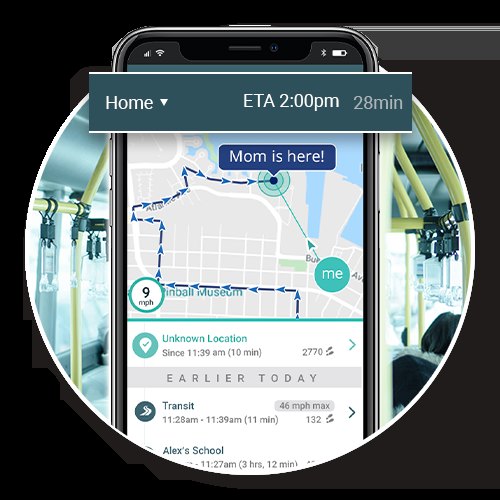
7. Arrival and ETA notifications. If she is on her way home from the pharmacy, I can see when she should arrive. If she doesn't, I know in minutes rather than in hours.
8. Designed to actually be worn. It comes as a watch or as a clip-on that hides inside clothing — whichever your parent will accept. The manufacturer reports a wear-compliance rate above 95%, which is a different universe from the pendant that lived in my mother's drawer.
Feature descriptions in this list are based on the manufacturer's published product information and have not been independently tested by this page. The 95% wear-compliance figure is the manufacturer's own reported statistic. Features, coverage and performance depend on the model, the subscription plan and mobile network availability in your area.
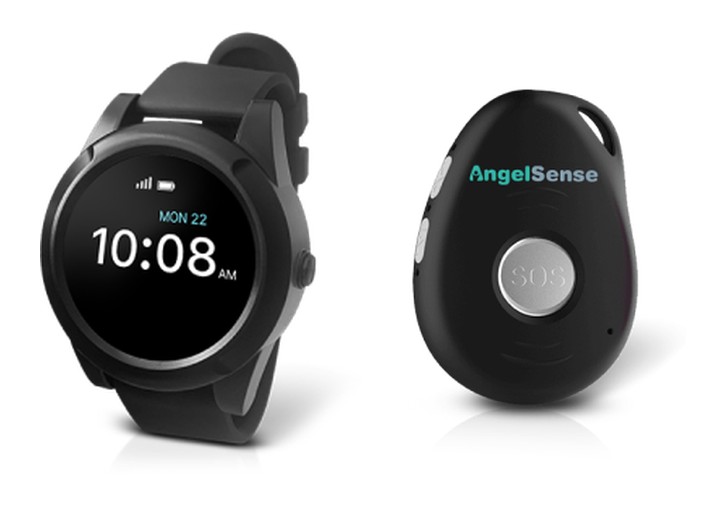 See AngelSense for Seniors →
Why It Worked When Everything Else Didn't
This is the whole thing. A smartwatch assumes the wearer can operate it. A pendant assumes they can press it. A CGM assumes someone is nearby to respond to the alarm. A severe low removes exactly those abilities, in exactly that moment. AngelSense was designed from the opposite direction: the family acts, the device responds, the wearer does nothing.
Every other device we bought put the burden of initiating contact on my mother. This one flips it. I call, the device picks up on its own, and I am talking to her. The first time I did that and heard her voice come out of her own wrist, I understood why Renee had been so insistent.
Her sensor tells me what. The app tells me where. Before, an urgent-low alert meant panic and a phone call she might not answer. Now it means I open a second app, see she is at the church, call her through the watch, and ask if she's eaten her tablets. Ninety seconds instead of ninety minutes of not knowing.
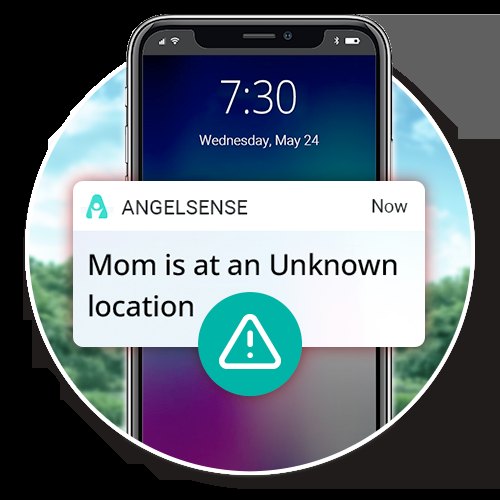
The system learned her patterns within about a week. Her pharmacy run. Her Tuesday grocery trip. Church on Sunday. When she goes somewhere that isn't on that map, or lingers somewhere she shouldn't, my phone buzzes. I am not refreshing an app all day. I am living my life until something actually needs me.
If she walks into a pharmacy, most GPS devices go quiet. This one keeps locating her inside using Wi-Fi. In the one case where it mattered — a low that started while she was inside a grocery store — I could see she was still in the building rather than wondering if she'd driven off.
My brother Greg, my daughter Alison and I are all guardians. We all get the same alerts. Greg lives twenty minutes from her and I live two hours away, so most of the time he is the right person to go — and now he knows to go without me calling him first.
This is not a small point — it is the entire point. The pendant had a 100% non-wear rate inside two weeks. The watch went in a drawer. AngelSense comes as a watch or a clip-on that hides in a waistband, and my mother has worn hers every day since we set it up. Her reasoning was three sentences long: “It's a watch, Dana. I've worn a watch since I was nineteen. Nobody at church knows what it is.”
Everything is configured from your phone. You hand her a watch and say “this is so I can call you.” That is the entire conversation. No app, no password, no charging routine, no button to remember. For a family already managing insulin timing, carb counting and four other medications, adding zero new steps to her day mattered more than I expected.
What the First Two Months Actually Looked Like
Week one: she wore it. After two failed devices, I genuinely did not expect this. She put it on the first morning and has not taken it off except to shower.
Week three: the first real save. She drove to the pharmacy on a Tuesday. Twelve-minute trip she has made for a decade. Thirty-five minutes after she left, my phone buzzed: Mom is at an unknown location.
I opened the app. She was pulled over on the shoulder of a road a mile past the pharmacy turn.
I called her through the watch. It answered itself. I heard her breathing before I heard her voice.
“Mom? It's Dana. Where are you?”
“Dana? I — I pulled over. I don't feel right.”
“Do you have your tablets in the console?”
A long pause. Then the sound of the glove box.
I stayed on the line with her for eleven minutes while she took her glucose tablets and came back up. I called Greg from my other phone and he was there in nineteen. She was fine. She had pulled over herself, which her endocrinologist later told us was exactly the right instinct.
But she had been sitting on the shoulder of a road for at least twenty minutes before my phone buzzed, and she had not called anyone. She told me afterward she had thought about calling, and then could not work out how.
That is the whole reason this device exists.
Weeks four through eight: something happened to me. I started sleeping through the night. For eleven months after the hardware store I had been waking at 3 a.m. and reaching for my phone. By the second month I noticed I had slept until six without checking it once.
My husband noticed before I did. He just didn't want to say anything in case he jinxed it.
What Other Families Are Saying
My father is 78, type 1 for fifty-one years, and has almost no hypo awareness left. His CGM shares to my phone, which is wonderful, but the night he went low at the VFW hall I got the alarm and then just sat there not knowing where he was. We got AngelSense two weeks later. Last month I got the same alarm, opened the map, saw he was at the hardware store, called him through the device and talked him through eating his tablets while my son drove over. Same emergency. Completely different fifteen minutes.
We tried a medical alert pendant twice. Mom (77, type 2, on insulin) refused it both times — she said it made her feel like a patient in her own house. She wears the AngelSense clip-on inside her waistband and forgets it's there. Five months straight now. The day she got confused at the mall I called her through it and walked her to the food court where my husband was waiting.
I'm the primary caregiver for my mother but I have three siblings in three different states. Before this, I was the only one who ever got the call. Now we're all guardians. My sister in Denver handled the last alert because she happened to be looking at her phone. Moving that weight from one person to four has done more for my marriage than anything else this year.
Type 2, twenty-two years, and my lows stopped announcing themselves about five years ago. I got one before my kids could talk me into something I'd hate wearing. They can reach me without me having to do anything, which is the part that convinced me — because the last time I went low at the garden center I could not have worked a phone if my life depended on it. I keep my independence. They stop worrying. That was the trade.
Why Most Families Managing Diabetes Have Never Heard of It
It's a fair question, and the answer is fairly boring.
The medical alert industry spends enormous sums on television advertising aimed at exactly this audience — frightened seniors and their adult children, during daytime programming. They have a very large voice because they have a very large subscription business to protect.
AngelSense started as one father's project to keep his son safe and grew through word of mouth in caregiver communities — autism groups, dementia forums, diabetes educator networks. You hear about it from your sister-in-law who teaches insulin dosing for a living, or from another family in your parent's support group, or from an article like this one.
And the diabetes angle is newer still. This device was not built for hypoglycemia. It was built for wandering. Families like mine found it because the underlying problem turns out to be the same one: a person who is temporarily unable to navigate or ask for help, in a place their family cannot see.
How It Compares to What You've Probably Already Tried
| AngelSense | CGM App Alone | Smartwatch | Alert Pendant | |
|---|---|---|---|---|
| Tells you the glucose number | No — not a glucose device | Yes — this is its job | Only if paired to a CGM | No |
| Tells you where she is | Real-time, all day | No | If worn and charged | Base station only |
| You can call HER, auto-answer | Yes | No | She must accept | No |
| Alerts on unfamiliar locations | Learns her routine | No | Manual geofence only | No |
| Works indoors | Wi-Fi based | N/A | Limited | No |
| Whole family gets alerts | Built in | Varies by app | Family sharing | One contact |
| Requires her to act | No | Yes — to treat the low | Yes | Yes — must press |
| Actually gets worn daily | 95%+ per manufacturer | Sensor, yes | Varies by user | Varies by user |
This comparison reflects the writer's own experience and publicly available product descriptions at the time of writing. The 95% figure is reported by the manufacturer and has not been independently verified. Competing products are described by category, not by tested performance; features, models and terms change — check each manufacturer's current specifications before deciding.
Read that table one more time and notice the first row. The CGM and this device are not competitors. They answer two different questions, and until last year my family only had an answer to one of them.
Don't Wait for the Next Hardware Store
My mother sent me a voice message last Tuesday. She had worked out the SOS button entirely on her own — not for an emergency, just to try it.
Eleven seconds long. “Dana, this is your mother. I'm at Barb's. We're having coffee. That's all. Goodbye.”
I was in a meeting. I stepped out and listened to it twice.
That message is everything I have wanted for the last two years. Not the end of her lows — I can't prevent those, and neither can she, and neither can any device you can buy. Nineteen years of diabetes does what nineteen years of diabetes does.
What I wanted was the certainty that if it happens again, I will know within minutes, and I will be able to talk to her. Not three hours later. Not from a stranger in a break room.
If your mother or father has diabetes, lives on their own, and has had even one low that left them confused — and you have been telling yourself there's still time:
I told myself that for eleven months. There might not be.
Check AngelSense Availability →